







Search Results for: pouring and timing
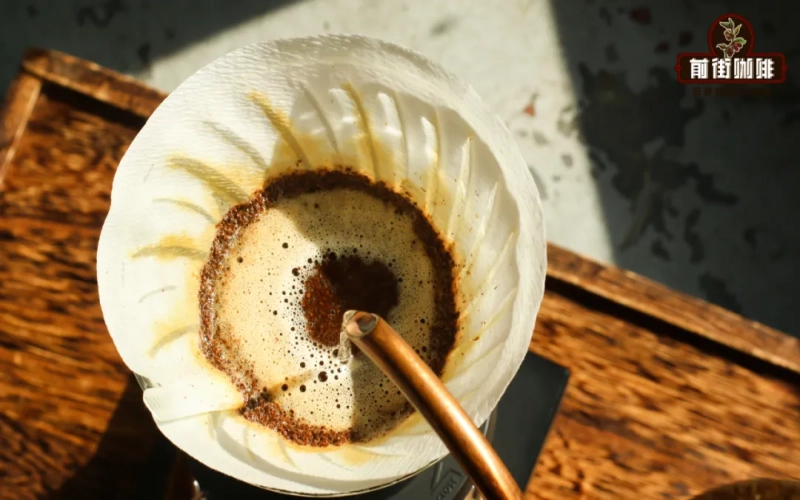
How Should You Decide the Timing for Multiple Pours in Pour-Over Coffee? An Analysis of the Practical Impact of Pour Timing on Extraction Efficiency and Flavor
Multi-pour pouring is a brewing technique commonly used by many enthusiasts in pour-over coffee, but for each pour, should you wait for the water level to drain completely before pouring again, or continue pouring while there is still liquid in the dripper? This seemingly minor choice actually affects the final extraction efficiency through two dimensions: extraction time and liquid concentration. Starting from a comparative experiment at Front Street, this article analyzes the specific effects of different pouring timings on extraction yield and flavor performance, and offers practical advice on how to flexibly choose pouring nodes in different brewing scenarios, helping you more precisely control the flavor direction of every cup of pour-over. [more…]
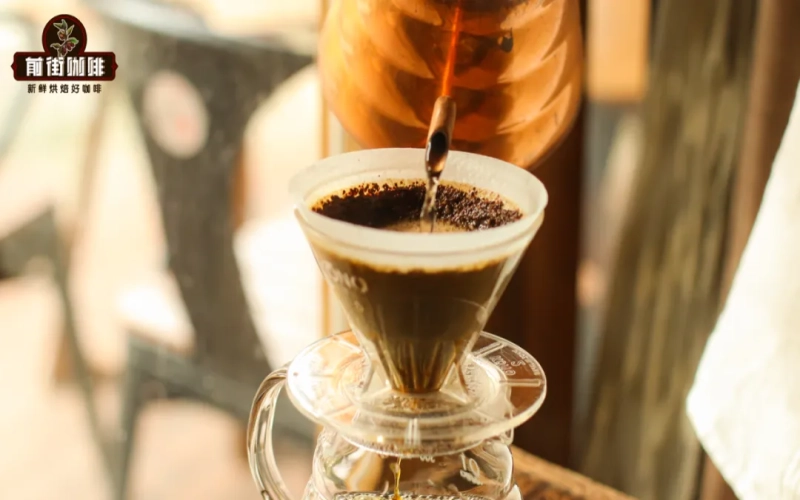
A Complete Analysis of Pour Timing in Pour-Over Coffee: Should You Pour After the Previous Stream Ends or Before It Runs Dry?
When using a multi-pour technique for pour-over coffee, should the next pour of hot water be added before the previous pour has finished draining, or should you wait until it has completely drained? Different bloggers each have their own opinion, and in Front Street Coffee's sharing, the two methods even appear alternately, leaving many enthusiasts completely confused. In fact, the answer is not complicated—the choice of pouring timing directly affects the extraction yield, and the principle behind it is nothing more than two variables: contact time and liquid concentration. Through a set of comparative brewing experiments, Front Street Coffee used four pots of coffee with identical parameters, changing only the timing of the third pour, to measure the specific differences in extraction yield, and provided selection suggestions for different scenarios. After reading this article, you will understand when to pour in advance and when to patiently wait for the previous pour to finish draining, so you can control the flavor of pour-over coffee more precisely. [more…]
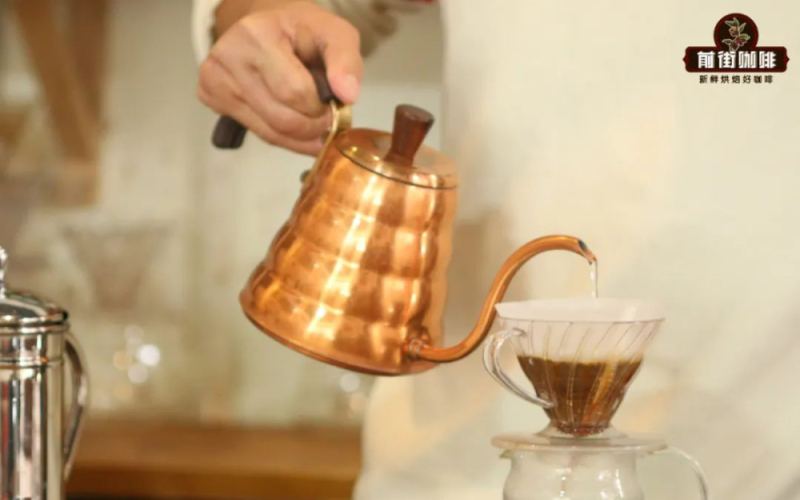
How to Master the Timing of Pulsed Pouring in Pour-Over Coffee? A Detailed Guide to the Water Volume and Time Nodes of the Three-Pour Method
Segmented pouring is a common yet difficult-to-master method in pour-over coffee, with the challenge lying in judging when to stop pouring and when to pour again. This article uses Front Street Coffee's three-stage brewing as an example to explain in detail the techniques for judging pouring checkpoints. The article points out that you should not wait for the water to finish flowing before pouring again; subsequent pours should bring the coffee bed height to exactly the same level as the previous stage to ensure even extraction. Using 15g of coffee grounds as an example, the first stage is blooming, pouring 30ml of water and waiting 30 seconds; the second stage pours water to 1/2 of the short rib, with a reference water amount of 120ml, taking about 55 seconds to 1 minute; the third stage involves observing the water level dropping, and when it falls to 1/2 between the coffee bed and the filter wall, pour 90ml, with a reference time of 1 minute 10 seconds to 1 minute 15 seconds; pouring ends at about 1 minute 30 seconds to 1 minute 35 seconds, and the coffee liquid finishes flowing at about 2 minutes to 2 minutes 10 seconds. The logic for four-stage pouring is the same. [more…]
Pour-over Coffee Brewing Extraction Time | Pour-over Coffee Steps, Ratios, and Pouring Techniques
For more specialty coffee knowledge, please follow our WeChat official account: Front Street Coffee (FrontStreet Coffee). Pour-over coffee has become deeply loved by enthusiasts with the development of the third wave of specialty coffee. Many enthusiasts enjoy brewing pour-over coffee at home. Is pour-over coffee difficult? Actually, to [more…]
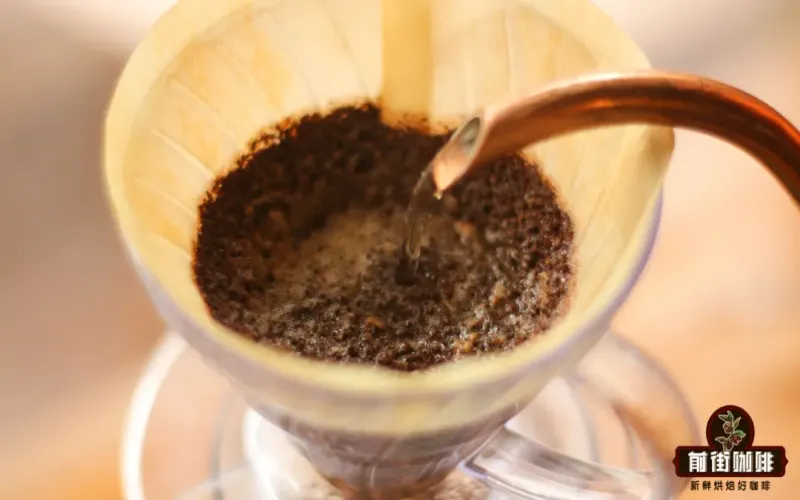
Pour-Over Coffee Segmented Pouring Timing Explained: Pour After the Water Drains or Before? The Core Technique of Three-Pour Brewing
Segmented pouring in pour-over coffee is one of the core techniques that many enthusiasts focus on. So-called segmented pouring means dividing the total water volume after blooming into multiple pours, with a waiting period between each pour to let the water in the dripper drain first. The choice of this waiting timing—whether to wait for the water to drain completely before pouring the next segment, or to pour when the water level is about to reach the bottom but has not yet fully drained—directly affects the total extraction time and the final flavor. Front Street Coffee once conducted a dedicated experiment on this and found that waiting for the water to completely finish draining before pouring again extends the extraction time, and the extent of that extension depends on the density and hardness of the coffee beans. Starting from Front Street's answer, this article will systematically sort out the purpose of segmented pouring, the differences in pouring timing, and the criteria for judgment in actual operation, helping pour-over enthusiasts find a brewing rhythm that suits them. [more…]
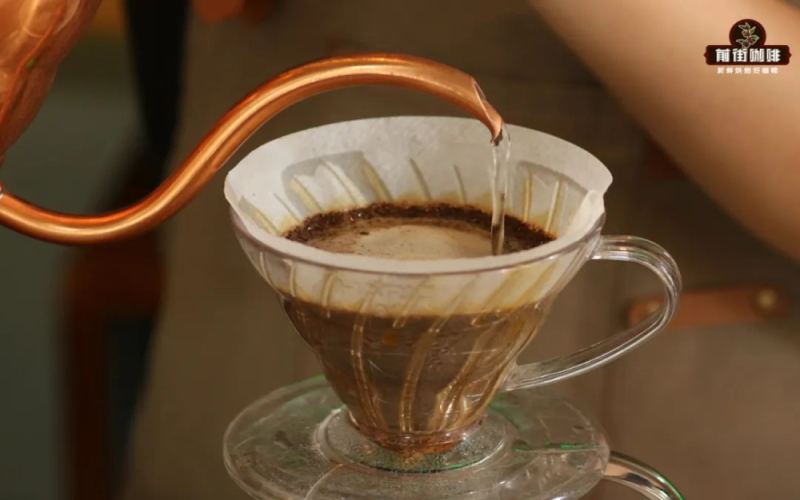
What variables affect the extraction time of pour-over coffee? A complete analysis of time references under different pouring techniques and parameters
The extraction time for pour-over coffee is not a fixed value; it fluctuates noticeably with variables such as pouring technique, coffee dose, coffee-to-water ratio, and grind size. Using a 15-gram dose as a baseline, this article systematically outlines the reference durations for the single-pour method and the three-pour method, and analyzes one by one the actual effects of increasing or decreasing the dose, adjusting the coffee-to-water ratio, and changing the grind setting on extraction time. At the same time, drawing on brewing practice data from Front Street Coffee, it explains how to use extraction time in reverse to judge whether pouring is appropriate and whether the grind is reasonable, so you can calibrate your own pour-over parameters more precisely. [more…]
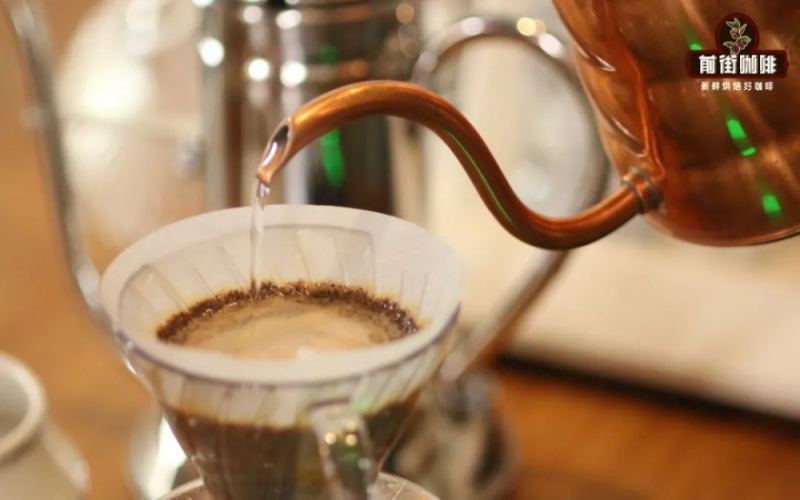
Analyzing the Timing of Pauses in Three-Pour Hand-Brewed Coffee: An Extraction Comparison Experiment Between Waiting for the Bed to Drain and Re-Pouring at the Halfway Point
In the three-pour method for pour-over coffee, the timing of the third pour is often overlooked—should you wait for the coffee liquid to completely drain before pouring, or should you top up promptly once the water level drops by half? Front Street Coffee conducted two sets of comparative experiments, using Costa Rica Strawberry Candy and washed Yirgacheffe beans respectively, to analyze in depth the practical differences between the two pouring methods from the dimensions of aroma, flavor, extraction time, and coffee bed state. The experiments revealed how the timing of the pour affects the temperature of the coffee bed, fine migration, and the final flavor performance, while also explaining why beans of different hardness show completely different results when faced with waiting for the liquid to drain. This article will present the full experimental process and conclusions to help coffee enthusiasts understand the core logic of judging when to pour in the three-pour brewing method, and provide Front Street's practical recommendations. [more…]
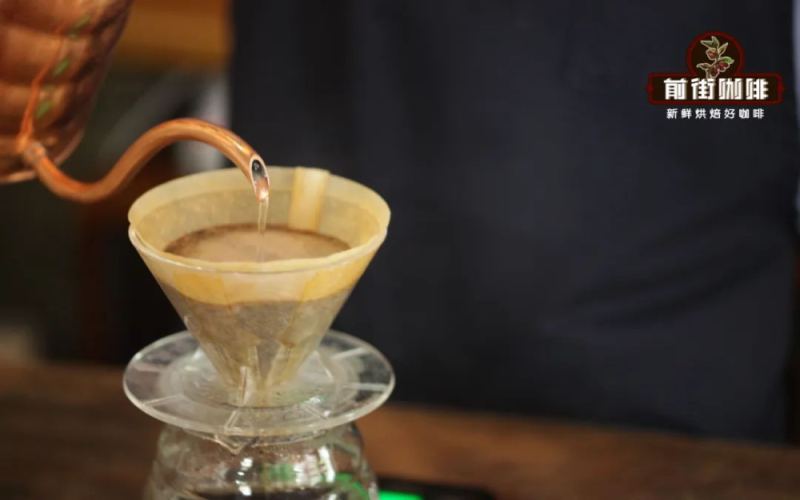
Analysis of the Differences Between Pulsed Pour-Over and One-Pour Method in Hand-Brewed Coffee: Extraction Time, Flushing Efficiency, and Suitable Bean Types
In pour-over coffee, the pouring method after blooming directly affects the final flavor. Is it the "one-pour" method, where all the water is poured at once, or is it divided into two or more stages? These two approaches differ significantly in extraction time, flushing efficiency, and controllability. Staged pouring extends the extraction window, making the release rhythm of sweet, sour, and bitter compounds more controllable, thereby enhancing the coffee's complexity. But more stages isn't necessarily better; in everyday brewing, two to three stages are most common, as they allow flexible adjustment and make it easier to hit the ideal extraction time. This article will compare in detail the differences between the one-pour method and staged pouring, and explain what kind of coffee beans are better suited to staged extraction. [more…]
How should pour-over coffee extraction time be determined? The controversy and practical recommendations on whether blooming should be timed
When brewing pour-over coffee, the timer function on a digital scale is often overlooked, yet it is crucial for judging extraction results. Front Street Coffee recommends keeping the total extraction time at around 2 minutes, in practice falling between 1 minute 50 seconds and 2 minutes 10 seconds. However, there is disagreement over when to start the timer: should it begin the moment water is poured, or should the clock only be started after pouring is finished? Front Street believes that extraction begins the instant the coffee grounds touch water, and therefore insists on timing from the very first second of pouring. This article builds a pouring model around time milestones, explaining how to troubleshoot issues such as flow rate and grind size through segmented timing, making time an effective diagnostic tool for brewing. [more…]
A Complete Analysis of Pour-Over Coffee Brewing Time: Extraction Logic from Dripper Structure to Pouring Technique and a 2-Minute Standard Recipe
How long exactly should the brew time for pour-over coffee be controlled to? This question seems simple, but in reality it involves the combined effects of multiple variables such as the structure of the dripper, the dose of coffee, the pouring speed, and the grind size. Brew time is essentially the duration of contact between coffee grounds and water, which directly determines the degree to which flavor compounds are dissolved. This article will start from the principles of extraction, analyze one by one the various factors that affect brew time, and share a basic brewing recipe commonly used in Front Street Coffee stores—15 grams of coffee, a 1:15 coffee-to-water ratio, a V60 dripper, three-stage pouring, with a total time of about 2 minutes—suitable for beginners new to pour-over to imitate and practice. [more…]
A Complete Guide to Blooming and Pouring in Pour-Over Coffee: Degassing Principles, Key Variables, and a Three-Pour Practice Method
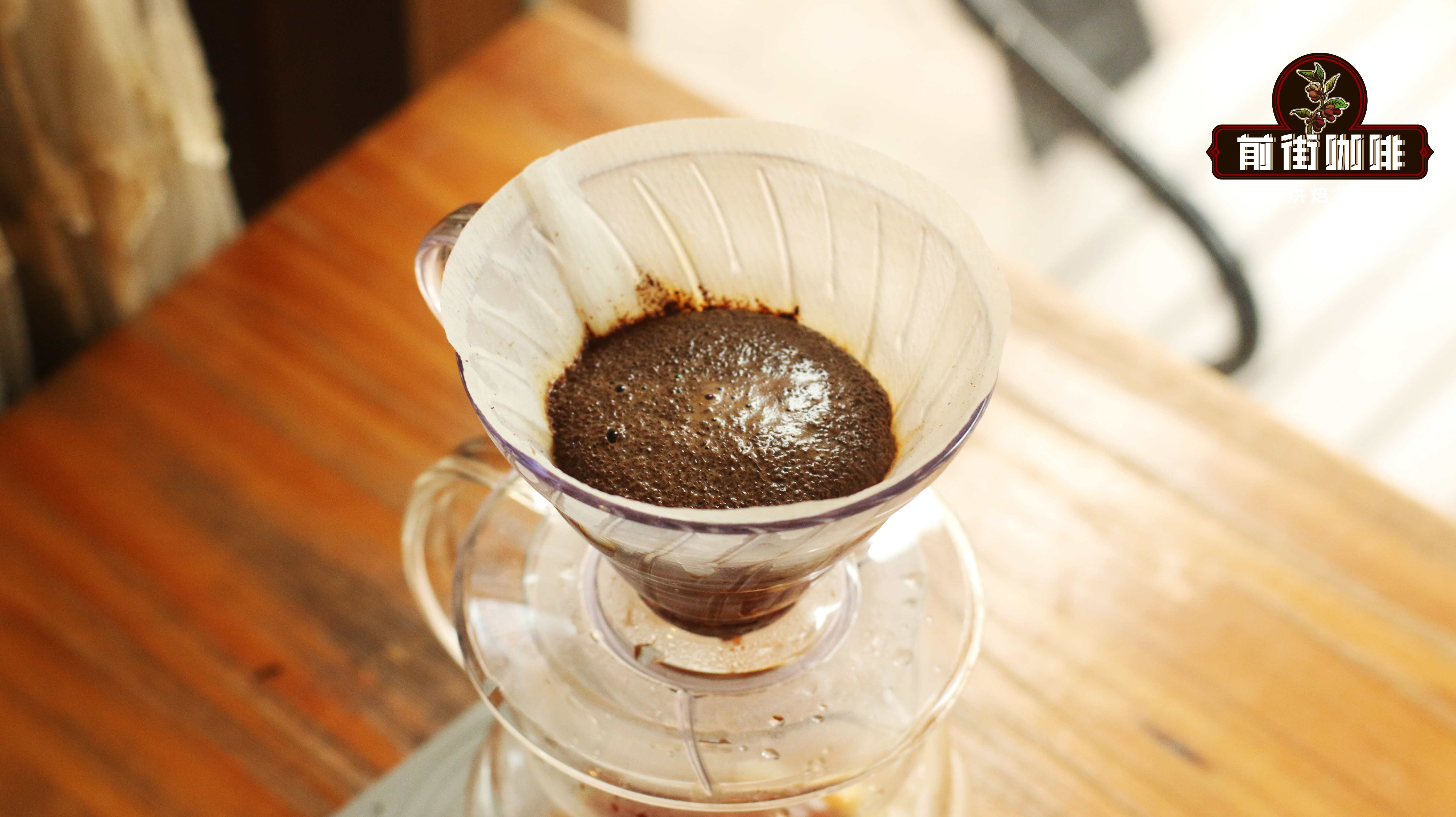
In pour-over coffee, blooming is an indispensable step, as it affects degassing, extraction evenness, and the assessment of bean freshness. Drawing on Front Street Coffee's practical experience, this article breaks down in detail the purpose of blooming and the factors that influence it, including storage time, roast level, water temperature, water volume, duration, and grind size, and explains the complete process of the "little hill" expanding and then collapsing during blooming. The article then provides the specific steps for three-pour brewing: a 30-second bloom followed by two subsequent pours, with the total extraction time controlled at 2 minutes. Finally, through comparative experiments, it analyzes the impact of the number of pours on extraction time and flavor, answering the common question of whether the three-pour method is optimal, and helping coffee enthusiasts build a clearer pour-over logic. [more…]
How Many Pours Can You Really Split Into for Pour-Over Coffee? A Full Breakdown of the Three-Pour Method's Key Steps and Timing Control
The pouring method in pour-over coffee directly influences the final flavor profile, and staged pouring is a core technique that the vast majority of coffee enthusiasts will encounter. After blooming, should you pour all the water in one go or pause midway? What is the most reasonable number of stages? And how do different numbers of stages change the mouthfeel, aroma, and layers of the coffee? Drawing on Front Street's actual brewing experience, this article systematically sorts out the definition and working mechanism of staged pouring, and through three sets of comparative experiments reveals the relationship between the number of stages and extraction efficiency and flavor performance, while also offering the most beginner-friendly operational advice to help you more consistently bring out the best in a bean in your daily brewing. [more…]
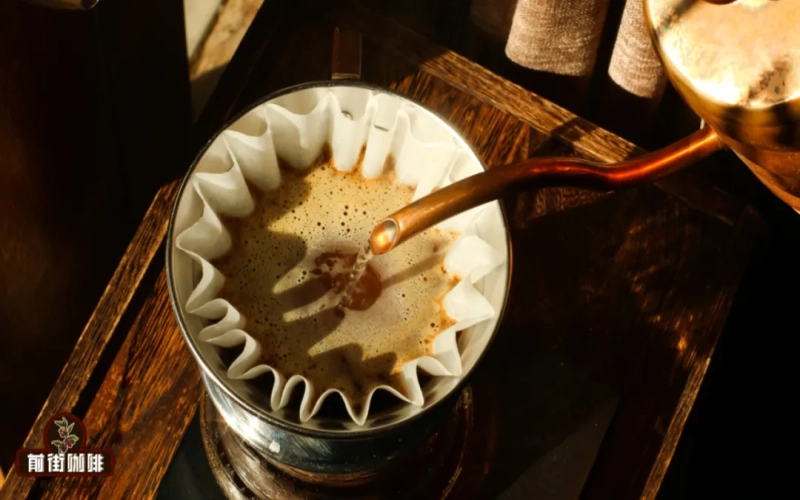
Why Does Pour-Over Coffee Favor Staged Pouring? Analyzing the Extraction Efficiency and Controllability Differences Between the One-Pour Method and the Three-Stage Method
In the world of pour-over coffee, the choice of pouring method often determines the final flavor direction. Although brewing techniques emerge endlessly, multi-pour pouring has always remained mainstream—whether in professional competitions, café offerings, or enthusiasts' daily practice, its presence can be seen everywhere. Many friends who are just getting into pour-over ask Front Street Coffee: why do we always have to divide the water into several pours? Behind this actually involves two key factors: the improvement of extraction efficiency and the controllability of the brewing process. This article will unfold around the differences between single-pour and three-stage pouring and other staged pouring methods, analyzing the advantages of multi-pour pouring from the perspectives of extraction time and concentration differences, while also answering why immersion extraction has a higher fault tolerance rate, helping everyone understand the essence of the pouring logic in pour-over coffee. [more…]
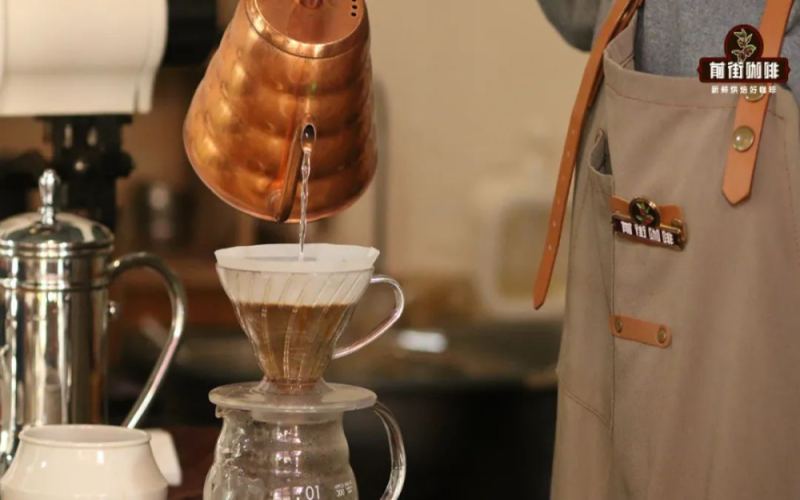
How Does Pour-Over Flow Rate Influence Flavor? Timing and Application of High vs. Low Flow Rates
What flavor differences do variations in pouring speed actually create during pour-over coffee brewing? Many enthusiasts hold misconceptions about flow rate—for example, believing that a slow pour is necessarily gentle and a fast pour is inevitably aggressive—when in fact the degree of turbulence is the real key to judging gentleness versus boldness. Moreover, because kettle spout diameters and water control abilities differ from person to person, there is no universal standard for what counts as a fast or slow pour. In this article, Front Street Coffee will guide you past these two misconceptions, teach you how to measure your own pouring rate with a digital scale, and analyze in detail how different flow rates affect extraction time, water level height, and the final taste, while also offering practical advice on when to increase the flow and when to switch to a slower pour, helping you find the pouring rhythm that suits you best. [more…]
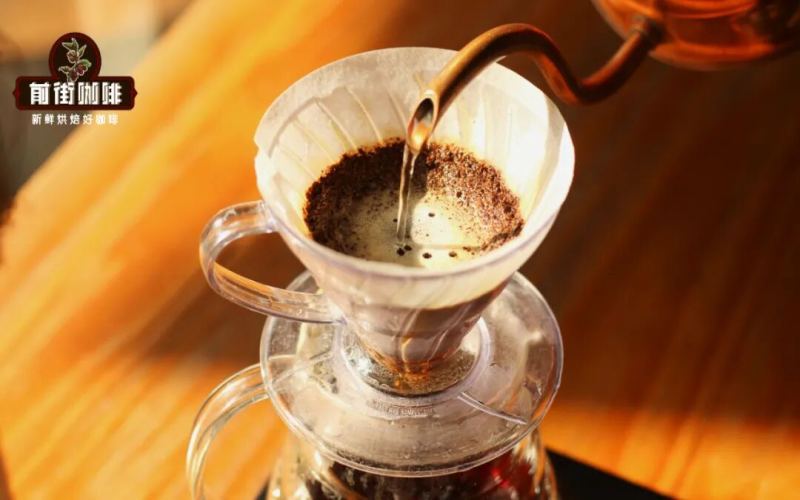
Pour-Over Coffee Brewing Methods | Does Multi-Stage Pouring Make Pour-Over Coffee Taste Better? How to Do Staged Pouring When Making Pour-Over Coffee?
In yesterday's post, Front Street mentioned that one of the advantages of pour-over coffee is its high level of controllability. During the brewing process, we can adjust the pouring method based on the actual situation, so that the coffee's flavor does not stray from being delicious. This statement is not unfounded; many techniques can help us do [more…]
How to Control the Extraction Time of Pour-Over Coffee? The Combined Effects of Dripper Structure, Coffee Dose, and Pouring Speed on Flow Rate and Flavor
The extraction time of pour-over coffee directly affects the final flavor strength and mouthfeel. This article breaks down how four dimensions—dripper structure, coffee dose, pouring speed, and grind size—influence the contact time between coffee grounds and water, and in turn change the coffee's layering and body. Using 15 grams of coffee, a 1:15 coffee-to-water ratio, and a V60 or KONO dripper as an example, a Front Street Coffee barista shares a 2-minute brewing recipe suitable for beginners, helping enthusiasts consistently recreate café flavors at home while understanding the logic behind different combinations such as fast brewing with a fine grind and slow brewing with a coarse grind. [more…]

Basic Knowledge for Pour-Over Coffee Beginners | Is Blooming Essential in Pour-Over Coffee? What Is the Purpose of Blooming Coffee Grounds by Pouring Water? How Do You Adjust the Coffee-to-Water Ratio in Pour-Over Coffee?
Front Street Coffee often encounters many pour-over beginners who ask a question: Why does pour-over coffee need blooming? The most indispensable step in pour-over coffee is the blooming stage. The purpose of blooming is to allow the coffee to release gases and ensure even extraction, and it also clearly reveals whether the beans being brewed are fresh. Front Street Coffee focuses on fresh [more…]
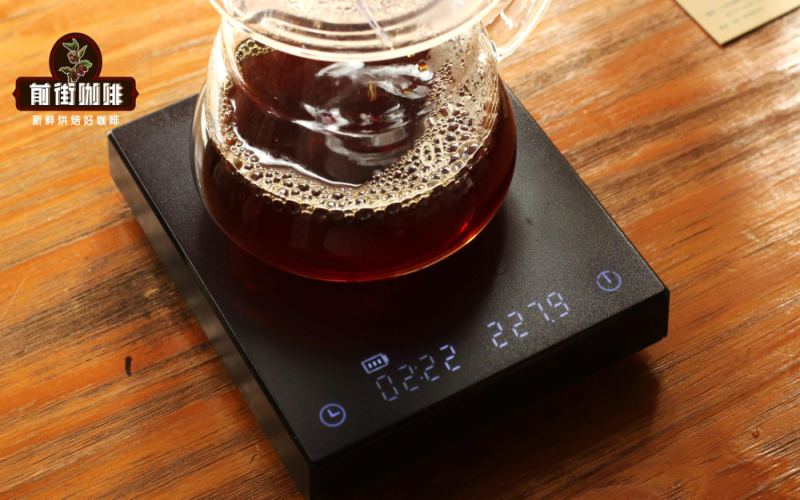
How Long Is a Normal Pour-Over Coffee Extraction Time? An Analysis of the Relationship Between Coffee Dose, Pouring Technique, and Time Parameters
When using a scale with a timer for pour-over coffee, what practical significance does it actually have? The length of the extraction time directly reflects the direction of the coffee's flavor—too long, and it becomes strong and bitter; too short, and it turns weak and thin. But extraction time is not a variable that can be controlled independently; it is constrained by many factors such as the dose, pouring method, and grind coarseness, making it a classic passive parameter. This article will systematically sort out the normal extraction range for a 15-gram dose, analyze the impact of increasing the dose and changing the number of pour stages on time, and explain how to use extraction time to judge whether the brewing parameters are reasonable. The article also includes the recommended brewing time for Front Street Yirgacheffe coffee beans for readers to compare and refer to. [more…]
A Detailed Guide to the Time Ratios of Three-Pour Hand-Brewed Coffee Extraction and Flavor Adjustment Methods
The three-stage pour is a common and practical pouring technique in pour-over coffee, splitting the entire extraction process into three pouring stages and influencing the final flavor by controlling the water volume and timing of each stage. Using 15 grams of grounds, a 1:15 coffee-to-water ratio, 88°C water temperature, and a medium-coarse grind as parameters, this article breaks down in detail the brewing process for Front Street Colombia Huila, including the specific steps of a 30-second bloom, a second pour of 100 grams, and a third pour of 95 grams, and answers how to determine the best time for the next pour. At the same time, the article also shares an experimental method of dividing the coffee liquid into three stages—beginning, middle, and end—for separate tasting, helping enthusiasts identify the differences in flavor between each stage, so as to adjust the pouring ratios and find a taste they are satisfied with. [more…]
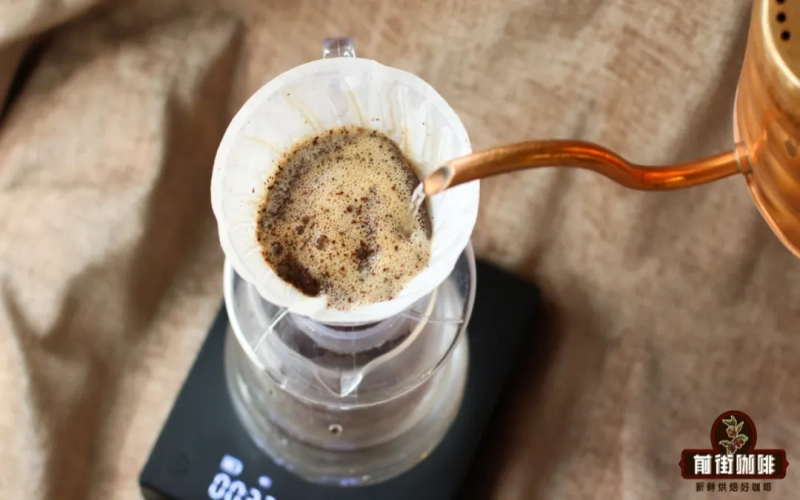
What Are the Principles and Advantages of Pulse Pouring in Pour-Over Coffee? A Full Analysis of Water Ratios and Flexible Adjustment Methods
In the practice of pour-over coffee, staged pouring is a widely used technique, yet the principles behind it and the scenarios in which it applies are often overlooked. Drawing on Front Street Coffee's brewing experience, this article systematically outlines the three major advantages of staged pouring: extending extraction time, improving extraction efficiency, and avoiding bypass water. At the same time, using concrete examples, the article explains how to flexibly adjust the number of pouring stages according to variables such as grind size, water temperature, coffee dose, and bean density. Whether you are a beginner just getting into pour-over or an enthusiast hoping to refine your technique, you can gain practical reference ideas from it to make each cup of coffee's flavor expression more stable and fuller. [more…]